The History of Camos Collection
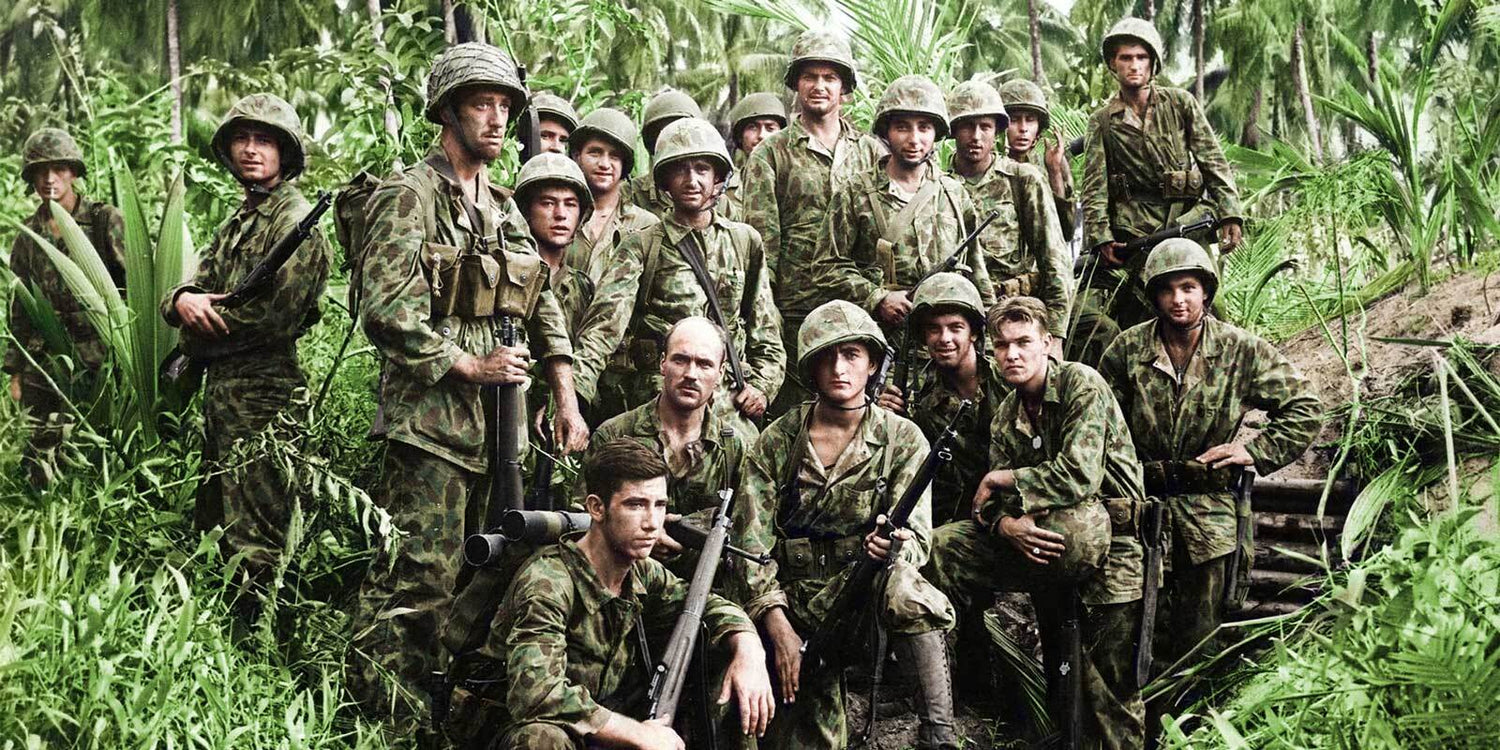
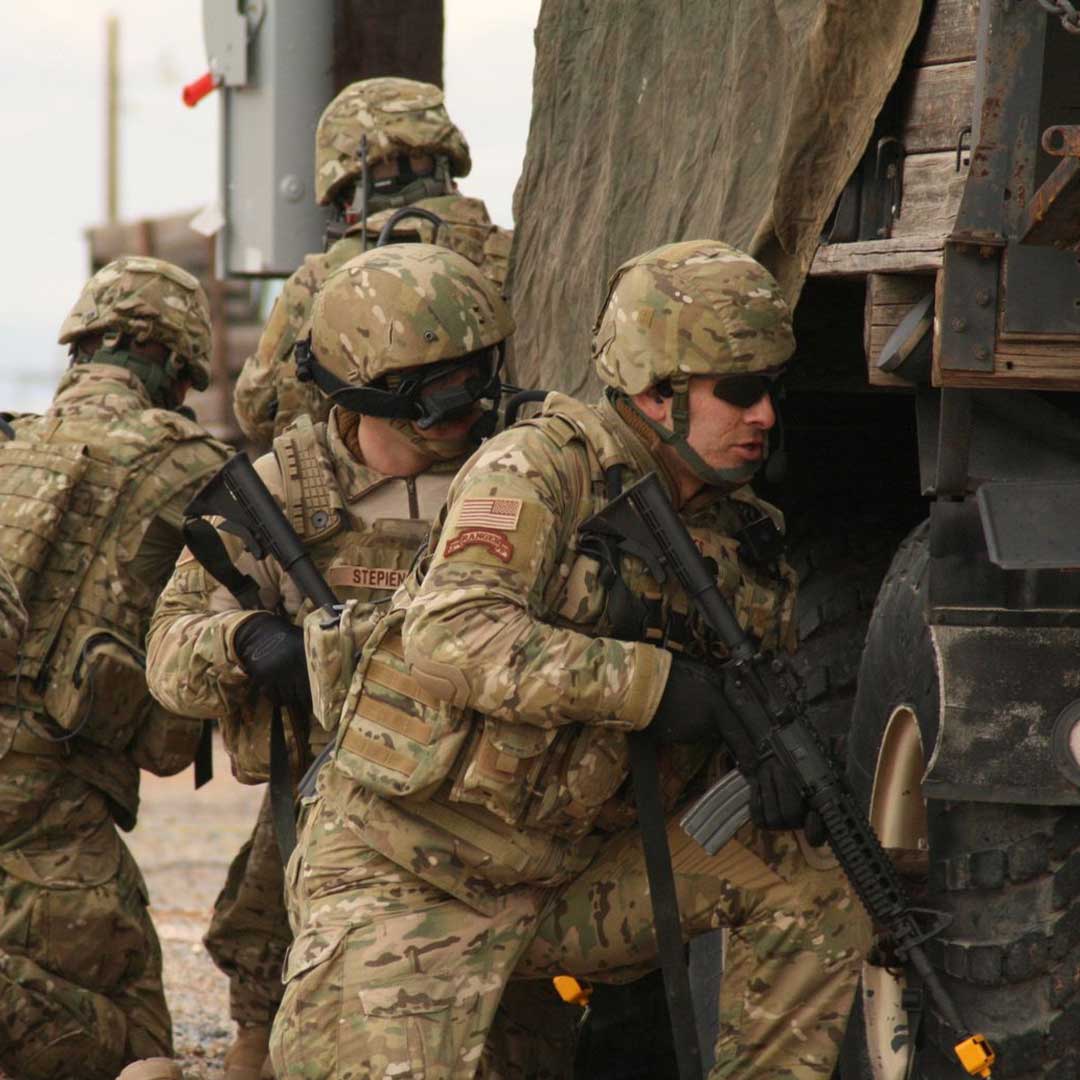
Since man has been involved in combat, he has at times, attempted to blend in with the terrain and foliage in which he was fighting. As a discipline unto itself, camouflage was first addressed in the early 1900s by the French, followed by the British and then the United States. Camouflage uniforms throughout the years have varied based on time, geographical location, and surrounding environment.
Column heading
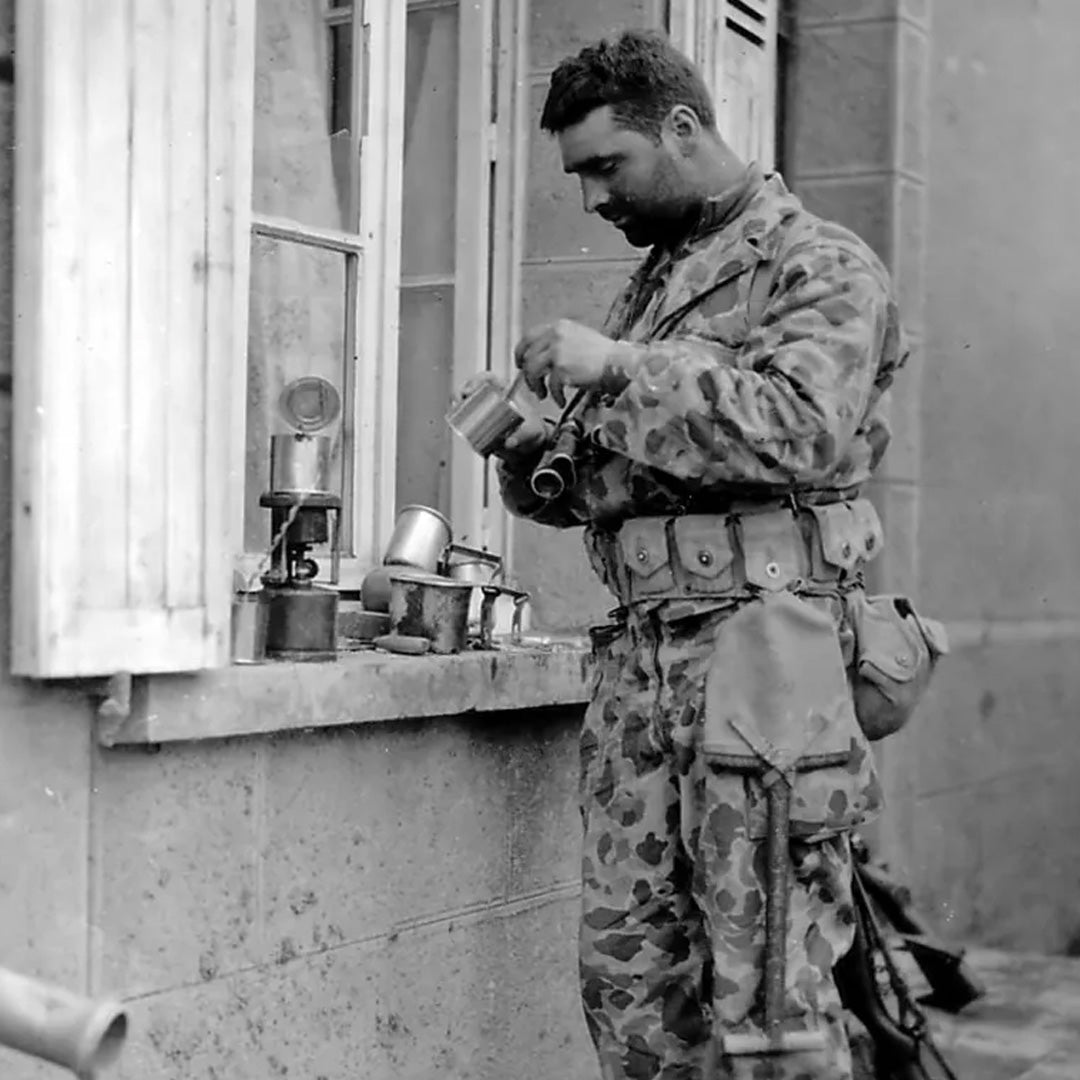
In 1943, U.S. Marines in the Solomon Islands began wearing uniforms with green-and-brown "frog" patterns. This type of camouflage pattern included speckled and disruptive coloration, similar to a frog's skin.
Column heading
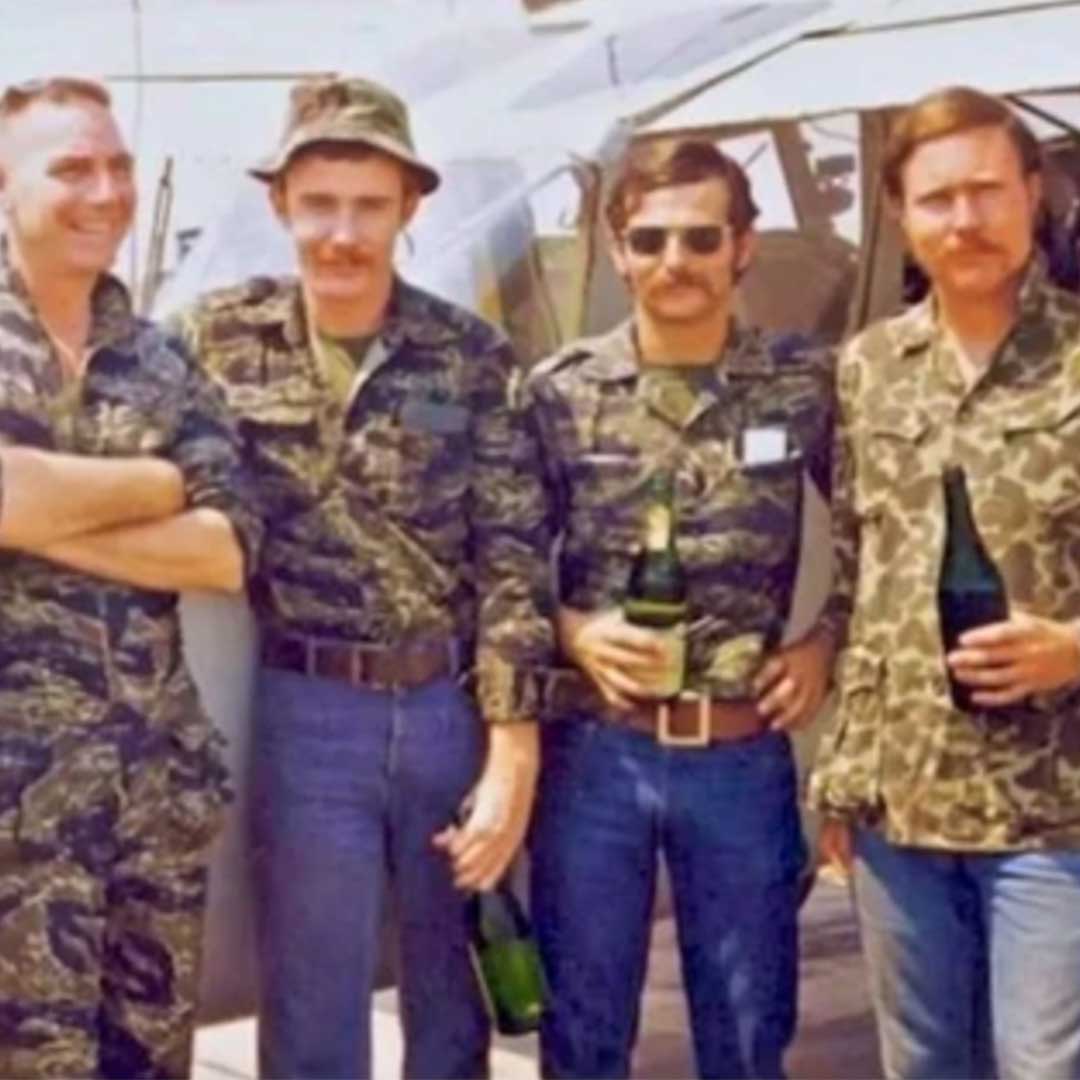
By 1965, Green Berets and other Special Operations Forces in Vietnam began wearing unofficial "Tigerstripe" camouflage uniforms. These locally produced uniforms were later replaced by the official ERDL Leaf Pattern in American reconnaissance units. However, the Civilian Irregular Defense Group, advised by U.S. Army Special Forces, continued wearing tigerstripe uniforms until they disbanded in 1971.
Column heading
By 1965, Green Berets and other Special Operations Forces in Vietnam began wearing unofficial "Tigerstripe" camouflage uniforms. These locally produced uniforms were later replaced by the official ERDL Leaf Pattern in American reconnaissance units. However, the Civilian Irregular Defense Group, advised by U.S. Army Special Forces, continued wearing tigerstripe uniforms until they disbanded in 1971.
Column heading
By 1965, Green Berets and other Special Operations Forces in Vietnam began wearing unofficial "Tigerstripe" camouflage uniforms. These locally produced uniforms were later replaced by the official ERDL Leaf Pattern in American reconnaissance units. However, the Civilian Irregular Defense Group, advised by U.S. Army Special Forces, continued wearing tigerstripe uniforms until they disbanded in 1971.
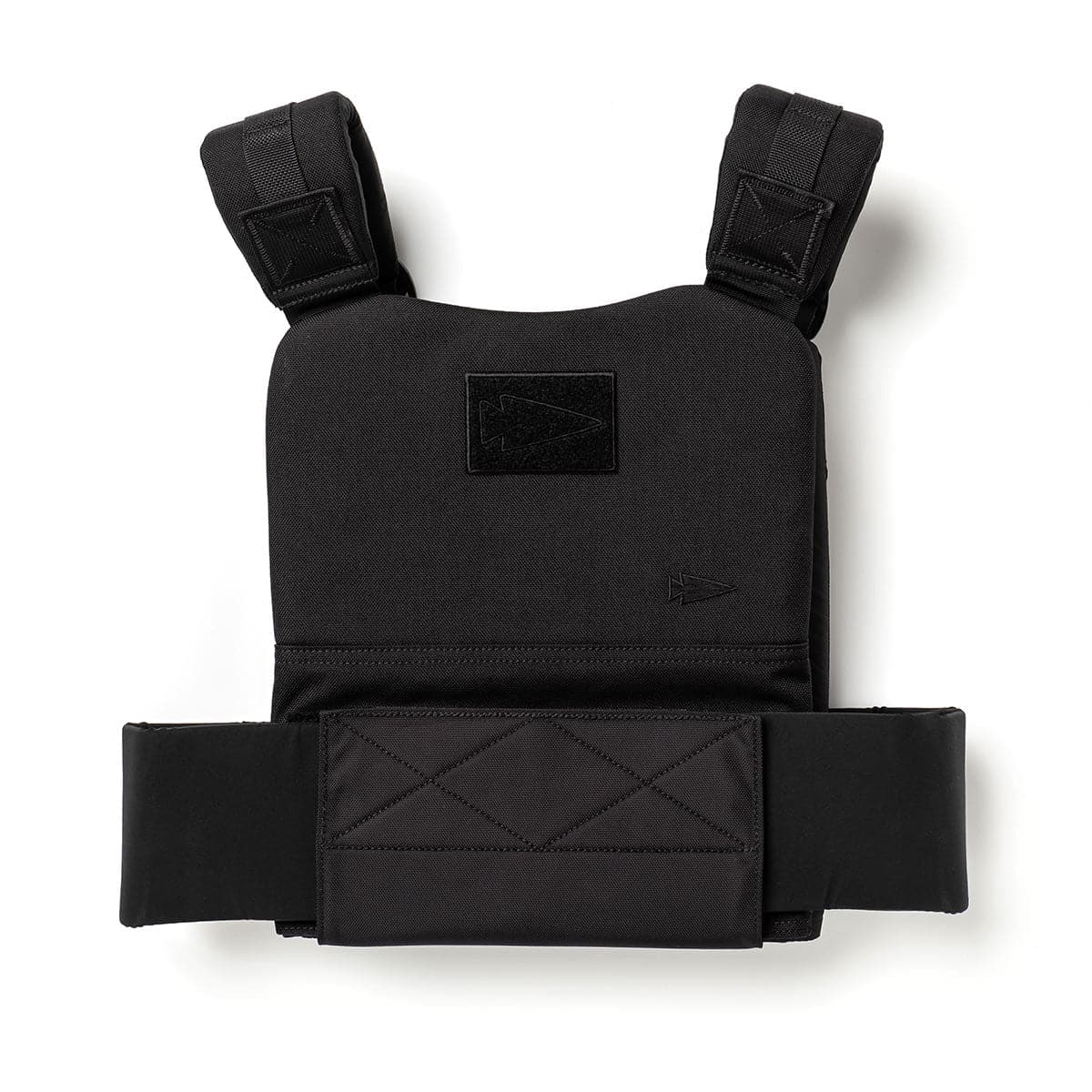
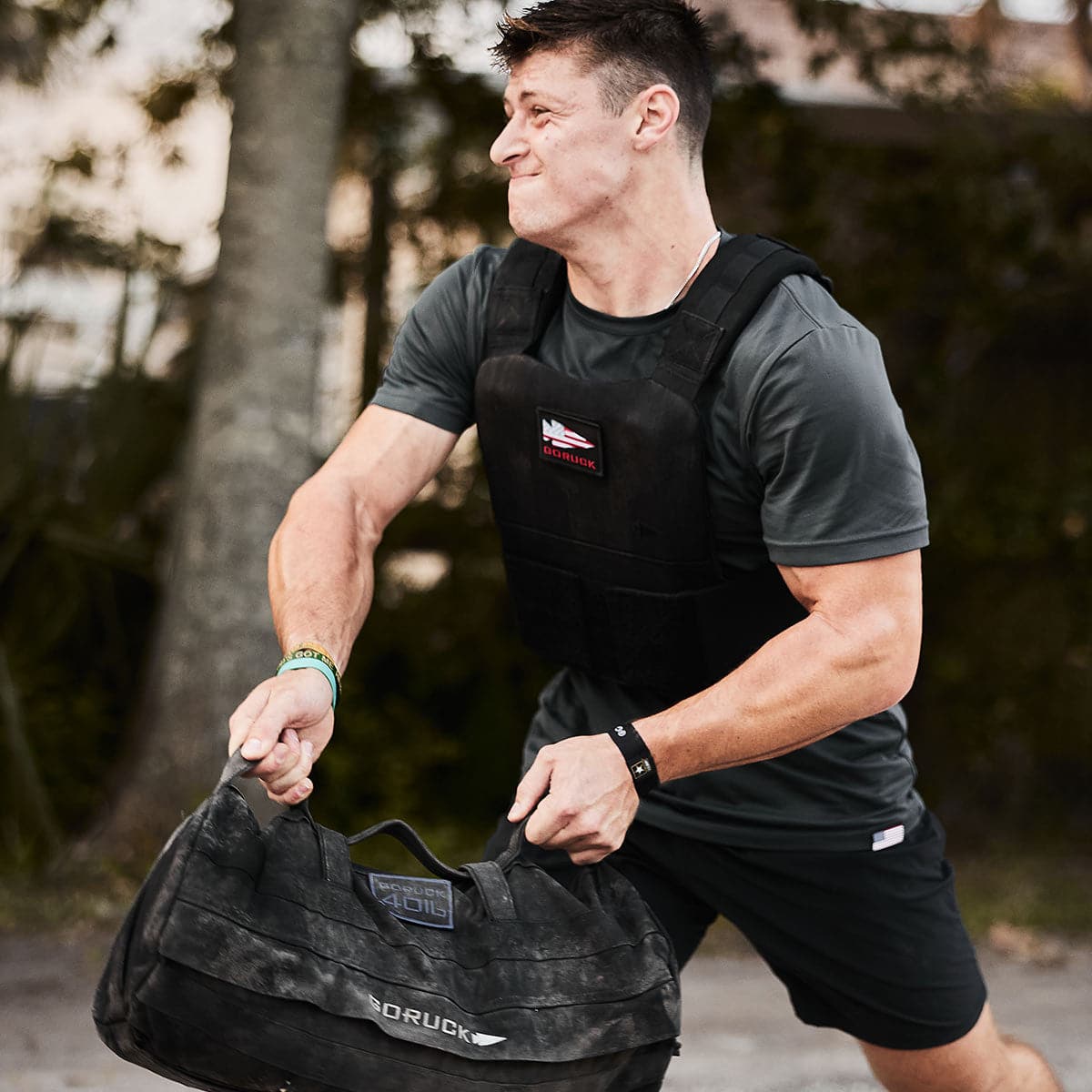
Training Weight Vest 2.0


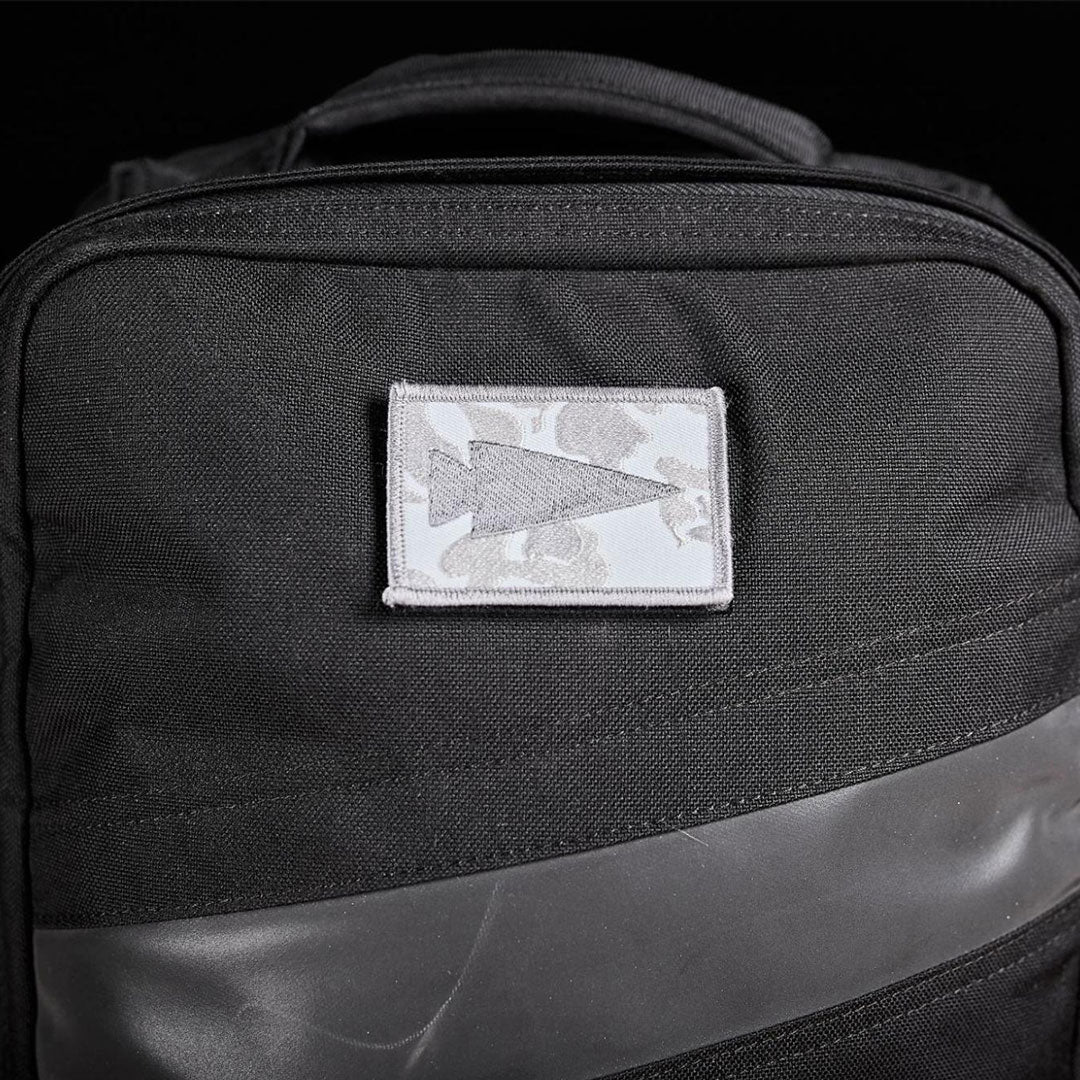
ARCTIC CAMO PATCH
Make sure to add the exclusive Arctic Camo Patch to your History of Camos order!
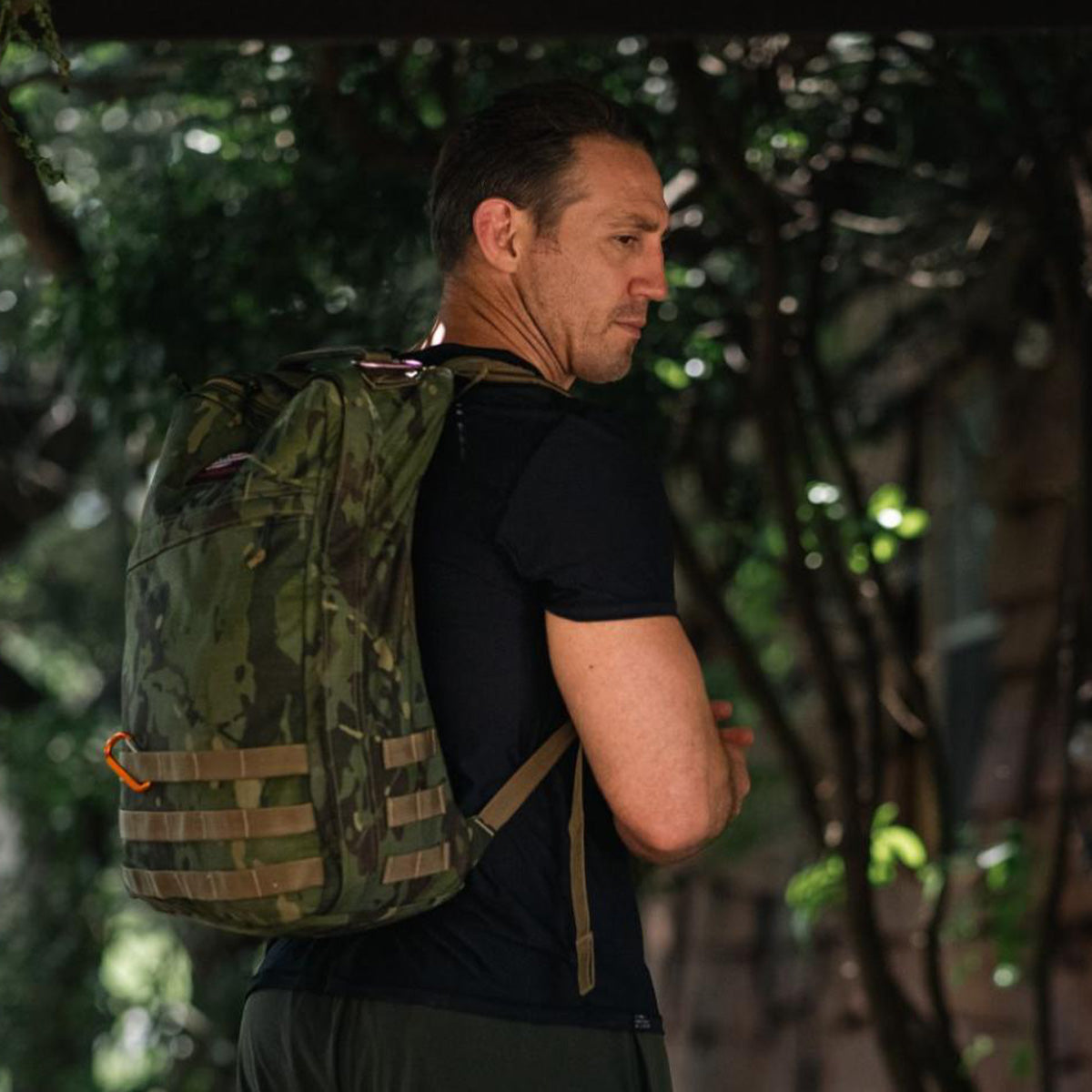
Column heading
Use block settings to manage media, text and button content for each column. Use the section settings to change display settings for all the columns.
Column heading
Use block settings to manage media, text and button content for each column. Use the section settings to change display settings for all the columns.
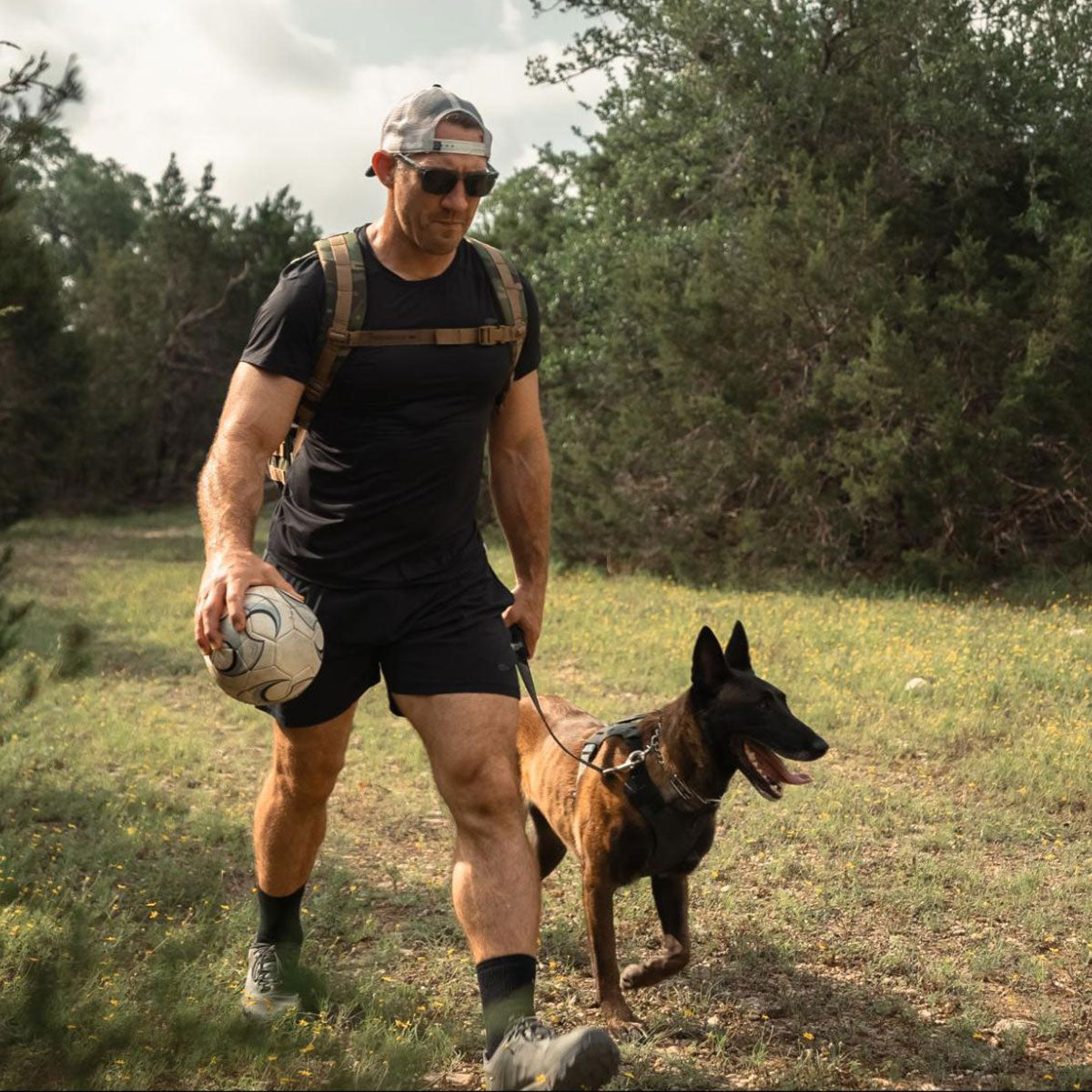
Column heading
Use block settings to manage media, text and button content for each column. Use the section settings to change display settings for all the columns.
“Pre-military, rucking was a way of life. They don’t call it rucking. They just call it work…
When I joined the military, I remember the first time I got to basic training. The entire basic training class was all Ranger Regiment kids and 18X-ray. This is post 9/11, so every one of those guys had volunteered to go into combat arms because of 9/11. There was this tangible angst of how do we get to war. The first time we got that rucksack on, it felt amazing. This is what it was about. I was so proud and excited to be there.”
- Tim Kennedy, US Army Green Beret and Special Forces Sniper